


Placing a loved one in a nursing home is one of the most difficult decisions a family can make. You research facilities, meet the staff, and trust that the people caring for your family member will treat them with dignity and provide the care they need. When that trust is violated through neglect, abuse, or mistreatment, the consequences can be devastating.
At Lucas, Macyszyn & Dyer, Injury Lawyers, we take nursing home abuse cases seriously. We represent residents and families throughout West Central Florida who have been failed by nursing facilities, and we pursue full accountability on their behalf. If you believe your loved one is experiencing neglect or abuse, contact us today for a free consultation.

Florida law protects nursing home residents. Under Section 400.022, Florida Statutes, every resident of a licensed nursing facility has legally enforceable rights, including:
When a nursing facility or its staff violates these rights, the resident and their family have the right to pursue legal action.
Nursing home abuse and neglect can be difficult to detect, especially when residents are unable to communicate clearly about what they are experiencing. Families should watch for these warning signs:
Inadequate staffing and training often result in residents not receiving the basic care they need. Signs include malnutrition or dehydration, poor hygiene, unkempt appearance, soiled bedding or clothing, and seniors left unattended for extended periods.
Restraint-Related Injuries
Florida law requires a licensed physician’s written authorization before restraints can be used on a resident, along with documented consent from the patient or responsible family member. Improper or excessive restraint use can cause bedsores, infections, unexplained cuts and bruises, burns, and broken bones.
Over- or under-medication is a common form of nursing home negligence. Watch for unexplained mood swings, sudden confusion or disorientation, unusual fatigue, chronic pain, or physical illness that cannot be explained by the resident’s existing conditions.
Slip and Fall Injuries
Nursing home residents are particularly vulnerable to falls. Floors and common areas should be clean, dry, and clear of hazards. Unexplained injuries including broken bones, head trauma, cuts, sprains, and bruising may indicate falls resulting from inadequate supervision or unsafe conditions.
Verbal and emotional abuse can be subtle and cumulative. Staff may use belittling language, threats, intimidation, or the silent treatment. Signs in the resident include refusal to take medications, repetitive behaviors such as rocking, fear of being left alone, social withdrawal, or a sudden loss of confidence.
Financial abuse occurs when staff manipulate residents into spending money inappropriately. Warning signs include missing personal documents or checkbook, unexplained medical expenses, charitable donations to unknown causes, and unexplained withdrawals or expenditures.

If you believe your loved one is in immediate danger, remove them from the facility and contact the authorities. For situations that are concerning but not an immediate emergency, begin documenting everything right away. Evidence is critical in nursing home cases and can deteriorate over time.
Your documentation log should include:
Contact a nursing home abuse attorney as soon as possible. The sooner an attorney is involved, the better positioned you are to preserve evidence and protect your loved one’s legal rights.

Under Florida Statute § 95.11, most nursing home liability claims must be filed within two years of the date the negligence occurred or was discovered. This is shorter than the four-year deadline that applies to most personal injury claims, making it especially important to act quickly.
There are important exceptions. If the negligence was not discovered until later, the court may extend the deadline up to four years from the date of discovery. If the nursing home or its employees concealed or altered evidence, the deadline may be extended to six years. When nursing home neglect results in wrongful death, surviving family members generally have two years to file.
These deadlines are complex and can change. Consulting with an attorney as soon as you suspect a problem is the best way to ensure your right to file has not expired.

Nursing home neglect can be so gradual that families do not recognize it until irreversible harm has occurred. If your loved one died as a result of a nursing facility’s negligent or abusive practices, you may be able to hold both the responsible staff members and the facility itself accountable through a wrongful death claim.
Your attorney will need detailed records including your loved one’s medical condition when they entered the facility and all medical records created during their residency. If sufficient evidence exists, the court can award compensation to the designated heirs through a successful wrongful death case.
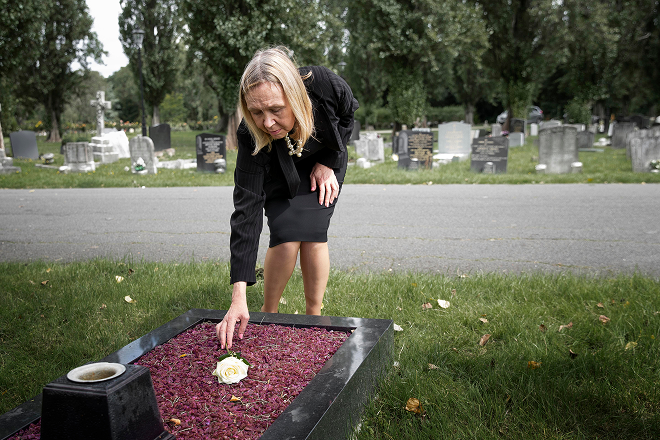
Courts award compensatory damages to cover the costs and impacts of the negligence. Depending on the circumstances, compensation in a nursing home abuse case may include:
In wrongful death cases, funeral and burial expenses, loss of companionship, and financial support the deceased would have provided
In cases where a facility’s conduct was particularly egregious or intentional, the court may also award punitive damages. These are designed to punish the defendant and deter similar behavior in the future.

Nursing home abuse cases require attorneys who are thorough, aggressive, and experienced in going up against facilities and their insurers. When you work with LMD, you get:

If you believe your loved one has been neglected or abused in a nursing facility, do not wait. Evidence disappears, deadlines approach, and the sooner you act, the stronger your case will be.
Contact Lucas, Macyszyn & Dyer, Injury Lawyers today for your free consultation. We serve clients throughout West Central Florida and we are ready to help your family.


 (727) 849-5353