


 (727) 849-5353
How to File a Personal Injury Claim in Tarpon Springs
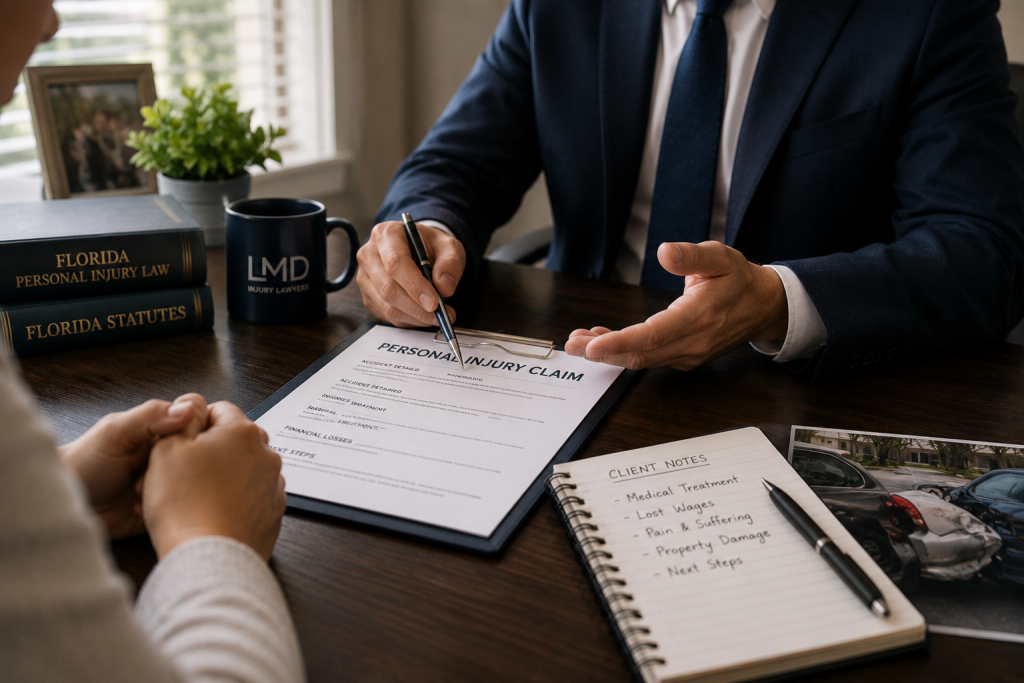
How to File a Personal Injury Claim in Florida: A Step-by-Step Guide for Tarpon Springs Residents
By Chris Dyer, Lucas, Macyszyn and Dyer, Injury Lawyers
Filing a personal injury claim in Florida can be a daunting task, particularly for residents of Tarpon Springs. This comprehensive guide will walk you through the essential steps and considerations involved in the process of filing a personal injury claim. By understanding the legal framework and necessary documentation, you can ensure that your rights are protected. Whether you’re dealing with the aftermath of a car accident or a slip and fall, knowing how to navigate your claim is crucial for securing compensation for your injuries.
In this article, we will explore vital topics, including the key steps to initiate a personal injury claim, what documentation is required, and the significance of understanding the statute of limitations in Florida. Furthermore, we will discuss the advantages of working with a personal injury lawyer, particularly in the Tarpon Springs area, and how hiring professionals from Lucas, Macyszyn and Dyer can impact your case positively.
What Are the Key Florida Personal Injury Claim Steps for Tarpon Springs Residents?
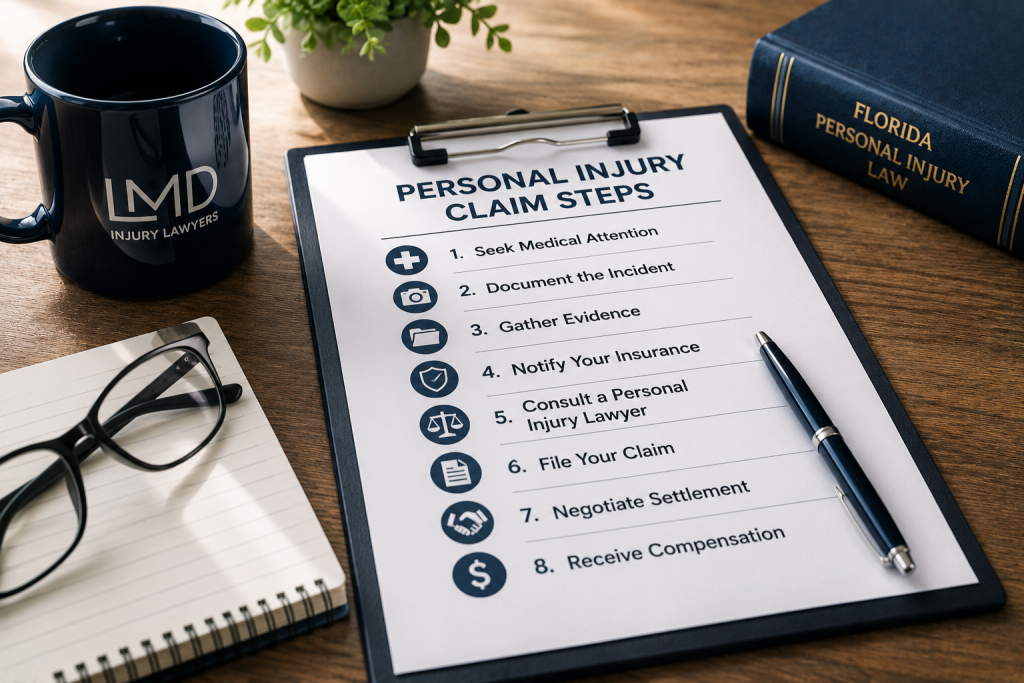
Filing a personal injury claim involves a series of important steps that need to be followed meticulously. Here are the key steps to consider:
- Seek Medical Attention Immediately: Your health is the top priority. Ensure that you receive the necessary treatment for your injuries.
- Document Injuries Thoroughly: Maintain detailed records of your injuries, treatments, and any interactions with healthcare providers.
- Consult a Personal Injury Attorney: Engaging a knowledgeable lawyer can help you navigate the complexities of the legal system.
Following these steps will help you establish a solid foundation for your case.
How Do You Initiate a Personal Injury Claim in Florida?
To initiate a personal injury claim in Florida, it is essential to understand the process and prepare adequately. First, you should document the details of the incident, including location, time, and circumstances surrounding the event. This information will serve as the basis for your claim.
Next, seek legal consultation to help determine the best course of action. An attorney can assist in gathering evidence and preparing necessary documents to support your case. Legal representation becomes particularly crucial if negotiations with insurance companies arise, as they can provide expert guidance throughout the claims process.
What Documentation Is Required to Support Your Injury Claim?
To substantiate your personal injury claim, it is crucial to gather the necessary documentation. The following table outlines the key documentation required:
| Document Type | Description | Importance |
|---|---|---|
| Medical Records | Comprehensive history of treatment and diagnosis | Demonstrates the extent of your injuries |
| Police Reports | Official documentation of the incident | Offers an unbiased third-party account |
| Witness Information | Details of individuals who saw the incident | Strengthens your case with corroborative testimony |
Gathering these documents effectively supports your claim and helps establish the validity of your case.
How Does the Statute of Limitations Affect Filing Your Injury Claim in Tarpon Springs?
In Florida, the statute of limitations for personal injury claims is generally four years from the date of the accident. This means that you must file your claim within this timeframe or risk losing your right to seek compensation. Exceptions can apply, such as late discovery of the injury or claims involving minors.
Understanding the importance of these time limits is essential for protecting your rights and ensuring you meet all necessary deadlines. Missing this deadline can jeopardize your case, leaving you with limited options for redress.
When and Why Should You Engage a Personal Injury Lawyer in Tarpon Springs?
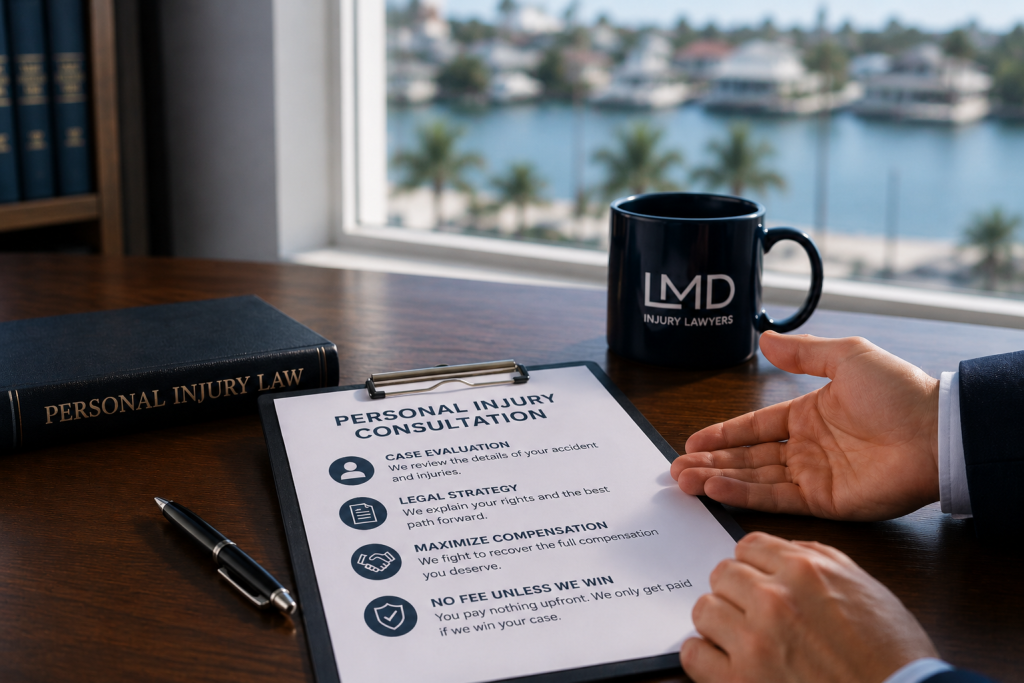
Engaging a personal injury lawyer can significantly impact the success of your claim. Here are some reasons to consider hiring legal representation:
- Immediate Engagement Post-Accident: Consulting with a lawyer soon after the incident can help ensure you take the correct steps right from the beginning.
- Complex Cases Benefit from Legal Expertise: If your case involves disputed liability or severe injuries, expert legal assistance is invaluable.
- Negotiation Support for Settlements: Lawyers have the skills necessary to negotiate with insurance companies effectively, ensuring you receive a fair settlement.
What Benefits Does Hiring Lucas, Macyszyn and Dyer Provide?
Choosing Lucas, Macyszyn and Dyer as your legal representatives offers several advantages:
- Experience in Personal Injury Law: Their team is well-versed in the intricacies of Florida personal injury cases.
- Track Record of Recoveries: They have a proven history of securing favorable outcomes for clients in personal injury claims.
- Free Consultations: Initial consultations allow potential clients to discuss their cases without any commitment or financial obligation.
How Can a Lawyer Maximize Your Injury Settlement in Florida?
Lawyers utilize various strategies to enhance settlement values in personal injury claims. A few critical methods include:
- Evidence Collection: Attorneys will gather comprehensive evidence to strengthen your case, such as photographs, surveillance footage, and medical documentation.
- Calculating Damages: They will accurately assess both economic and non-economic damages associated with your injury.
- Negotiation Skills: Experienced lawyers are skilled negotiators, advocating for your best interests when settling claims and dealing with insurance companies.
Utilizing professional expertise can significantly increase the likelihood of achieving a favorable settlement.
What Types of Damages Can You Claim in a Florida Personal Injury Case?
In Florida, personal injury claims can encompass various types of damages. Common categories include:
- Economic Damages: These are tangible costs, such as medical bills, lost wages, and property damage.
- Non-Economic Damages: These encompass intangible losses, including pain and suffering and emotional distress.
- Punitive Damages: In cases of gross negligence, courts may impose punitive damages as a means of punishment and deterrence.
Understanding the types of damages available can guide your legal strategy effectively.
How Are Damages Calculated and Documented for Your Claim?
Calculating and documenting damages is a critical aspect of your personal injury claim. Accurate documentation of medical expenses, lost wages, and any other relevant financial impacts is key. Here are some steps to follow:
- Maintain Detailed Records: Keep all bills, receipts, and statements related to your treatment and care.
- Employ Expert Reports: Gathering expert opinions on the future impact of your injuries helps support non-economic damages.
- Follow Best Practices in Evidence Management: Ensuring that all documentation is organized and easily accessible can streamline the claims process.
Effectively documenting these damages ensures that your claim reflects the true financial impact of your injury, aiding in a more successful outcome.