


 (727) 849-5353
How to File a Personal Injury Claim in Florida: A Step-by-Step Guide
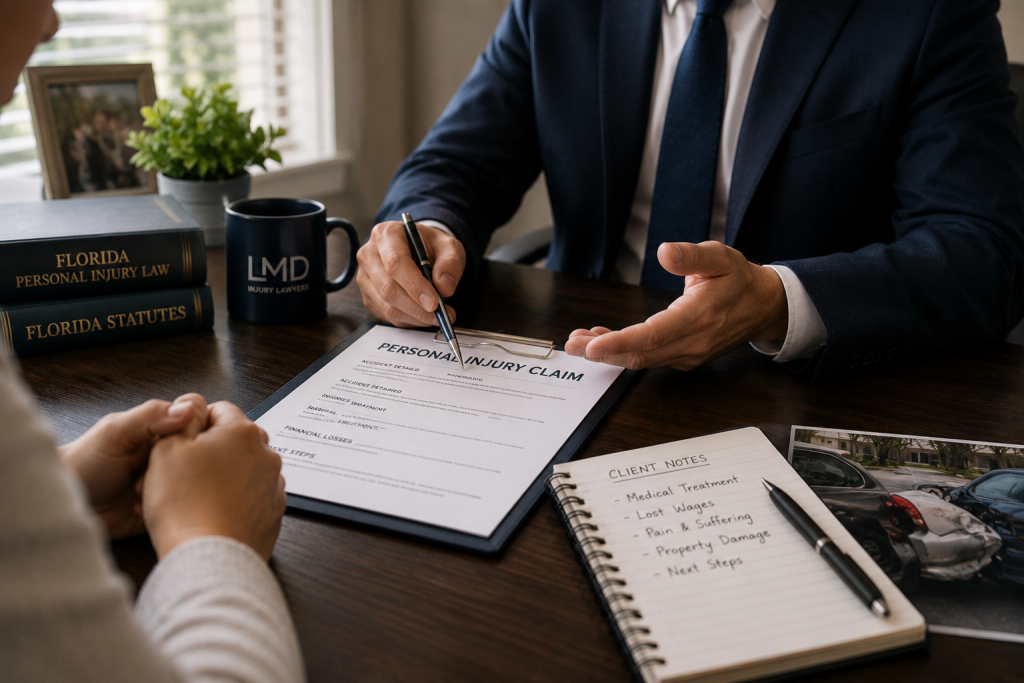
How to File a Personal Injury Claim in Florida: A Step-by-Step Guide
By Chris Dyer, Lucas, Macyszyn and Dyer, Injury Lawyers
Filing a personal injury claim in Florida involves several critical steps that are essential for maximizing your potential settlement. Many individuals may feel overwhelmed by the process, which is often fraught with complexities and potential pitfalls. This comprehensive guide aims to clarify each stage of the claims process, from seeking medical attention to engaging with a qualified attorney. By understanding the necessary steps and best practices, you can navigate your personal injury claim more effectively and improve your chances of a favorable outcome. This article will delve into seeking medical documentation, consulting an attorney, gathering evidence, and more.
Step 1: Seek Medical Attention & Document Your Injuries
Seeking immediate medical attention after an accident is not only crucial for your health but also serves as a foundational step in your personal injury claim. Early medical intervention enables comprehensive documentation of your injuries through medical records, which are essential for substantiating your claim. Additionally, it’s vital to maintain a record of all treatment plans, bills, and prescriptions associated with your recovery. This documentation can play a pivotal role in establishing the severity of your injuries and their impact on your life.
Importance of Immediate Medical Care
Immediate medical care can significantly influence the recovery process and claim outcomes. By visiting a healthcare provider promptly, you ensure that your injuries are assessed and treated appropriately. This also helps in creating a clear timeline of your medical history related to the incident. Furthermore, the detailed medical reports generated during your visit will serve as valuable evidence in demonstrating the necessity for compensation.
Documenting Injuries
It’s important to meticulously document your injuries and recovery process. This can include taking photographs of visible injuries, keeping a detailed journal of pain levels and emotional distress, and collecting all medical records and bills. The more thorough your documentation, the stronger your claim will be when it comes time to negotiate your settlement.
Step 2: Consult a Personal Injury Attorney
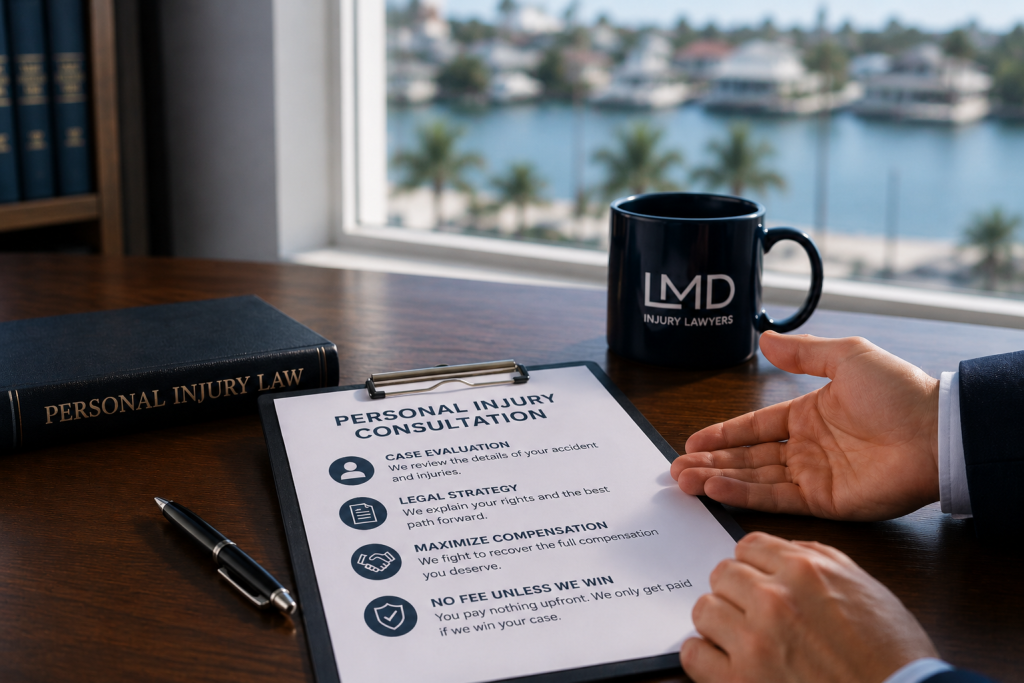
Engaging a personal injury attorney early in the process is instrumental in navigating the legal landscape of your claim. Attorneys possess a deep understanding of Florida’s personal injury laws and can provide insights about your case’s potential for success. They can assist in evaluating the strength of your claim and identifying all liable parties, which is crucial for maximizing your settlement.
Importance of Early Consultation with an Attorney
Consulting with an attorney soon after your accident allows for timely actions to be taken, such as filing necessary paperwork and preserving critical evidence. Early legal representation can prevent common mistakes that might jeopardize your claim.
Evaluating Your Case
An experienced personal injury attorney will assess the circumstances surrounding your accident, including the details of how the injury occurred and the extent of your damages. This evaluation is key to strategizing how to best approach your claim, whether through negotiations or litigation.
Step 3: Gather Evidence for Your Case
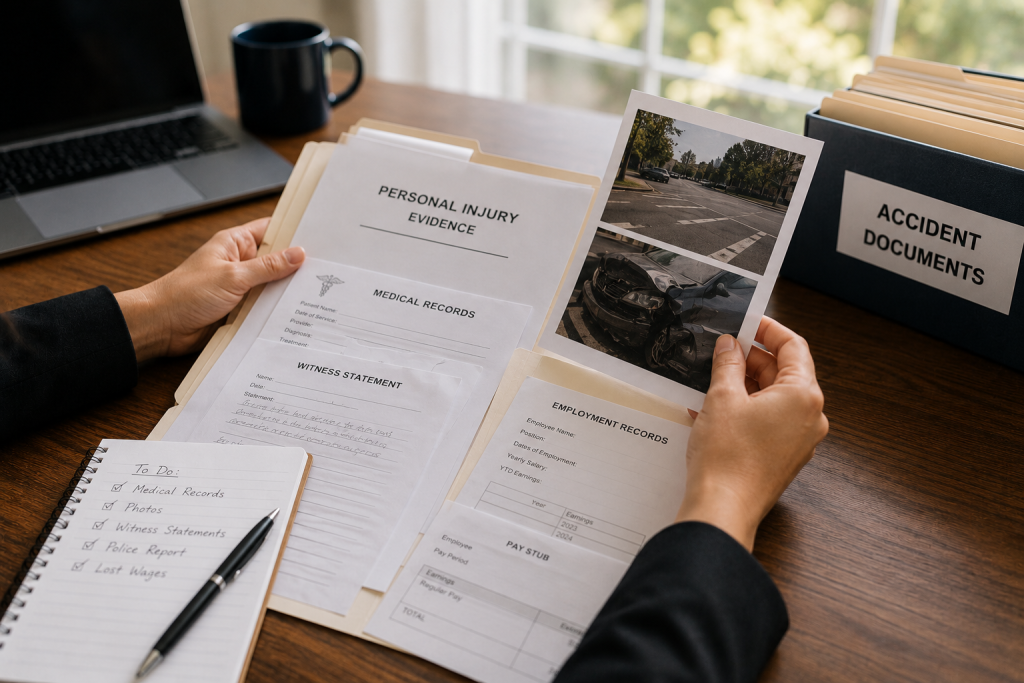
Building a solid case requires the diligent gathering of various types of evidence. Evidence may include witness statements, police reports, medical records, and any other documentation that reflects the impact of your injury.
Types of Evidence to Collect
- Witness Statements: These provide firsthand accounts of the incident, which can corroborate your version of events.
- Accident Reports: Official reports from law enforcement can lend credibility to your claim by providing an objective account of the accident.
- Medical Records: Complete documentation of your injuries, treatments, and related expenses is crucial for substantiating your claims for damages.
Preserving Documentation for Legal Use
Maintaining organized records of all evidence collected is essential. Using digital tools or folders can assist in ensuring that important documents are not lost. This organization allows for quick access to necessary information during negotiations or litigation.
Step 4: Build a Legal Strategy
Once your evidence is collected, it’s time to develop a legal strategy with the assistance of your attorney. This strategy should address the various elements of negligence, which are often required to prove your case.
Establishing Negligence Elements
In Florida, the legal principle of negligence requires establishing four elements: duty, breach, causation, and damages. This means showing that the other party had a duty to act (or refrain from acting) in a certain way, breached that duty, caused your injuries, and that you suffered damages as a result. Understanding the elements of negligence is critical for building a strong case.
Presenting Damages
Your attorney will help you compile a comprehensive presentation of your damages, which can include medical expenses, lost wages, pain and suffering, and future care needs. A well-structured legal strategy will guide negotiations with insurance companies and other parties involved.
Step 5: File the Insurance Claim
Filing your insurance claim is a formal way of notifying the at-fault party’s insurer about your injuries and losses. This process involves submitting claim forms along with all supporting documentation you have gathered.
Submitting Formal Insurance Claims
Ensure that your claim is filed promptly and accurately. Delays or errors can lead to complications in the claims process that may affect your compensation. Understand the specific requirements of your insurer and provide all necessary documents to facilitate a smoother process.
Negotiation Tactics for Settlements
Once the claim is submitted, negotiation may commence. Insurance adjusters may offer a settlement, which is usually lower than what you might deserve. Negotiating effectively requires understanding the true value of your claim, backed by the evidence and documentation you have prepared.
Step 6: Settlement or Litigation
Understanding the likelihood of settlement versus litigation is critical. While many personal injury claims are resolved through settlements, some may require litigation if a fair agreement cannot be reached.
Preparation for Potential Trials
If your case does go to trial, thorough preparation is essential. Your attorney will guide you through trial procedures, help organize evidence for presentation, and prepare you for testimony. The more prepared you are, the better your chances of achieving a favorable verdict.
Importance of Strong Evidence
Your evidence will be your strongest asset in either settlement negotiations or in court. Maintain open communication with your attorney about the status of your case and ensure that all evidence is carefully curated and ready for presentation, regardless of the outcome you pursue.
Effective Negotiation Tips
To ensure the best possible outcome in your personal injury claim, consider the following negotiation tips:
- Don’t Accept Initial Offers: Insurance companies often start with low offers; it’s important not to settle prematurely.
- Understand the Full Value of Your Claim: Familiarize yourself with your damages and associated costs to advocate effectively for yourself.
- Be Patient: Negotiations can take time; don’t rush into a decision without careful consideration.
Required Documentation
To successfully file your claim and ensure that you are adequately compensated, prepare the following documents:
- Medical Records: Essential for proving your injuries and associated treatment costs.
- Employment Records: Verifying lost wages can enhance your claim.
- Evidence of Damages: Documenting positions like repair bills, costs incurred for transportation, and other financial impacts is vital.
What Are the Essential Florida Personal Injury Laws You Must Know?
Familiarizing yourself with Florida’s personal injury laws can provide you with a clear understanding of your rights and obligations. Several key aspects to consider include:
- Comparative Negligence: This allows for the sharing of fault in personal injury cases, affecting the overall compensation you may receive based on your percentage of fault.
- Types of Damages: Be aware of all compensable damages, including both economic and non-economic types.
- Statute of Limitations: Understanding the limited time frame within which you can file a claim is critical for ensuring your eligibility for compensation.
What Is the Statute of Limitations for Personal Injury Claims in Florida?
In Florida, the standard statute of limitations for filing a personal injury lawsuit is two years from the date of the accident. Failing to file within this timeframe may result in losing your rights to compensation.
Exceptions for Specific Claim Types
Certain circumstances, such as delayed discovery of injuries or cases involving minors, may extend the statute of limitations. It’s crucial to consult an attorney to explore any specific nuances that might affect your claim’s timeline.
Consequences of Missing the Deadline
Missing the filing deadline can severely impact your ability to seek damages. Always be proactive about discussing timelines with your attorney to avoid unintentional forfeiture of your legal rights.
Which Types of Personal Injury Claims Does Florida Law Cover?
Florida law recognizes various types of personal injury claims, which include:
- Negligence Claims: The most common claim type, often arising from car accidents or slip and fall incidents.
- Medical Malpractice Claims: Involving negligence by healthcare professionals.
- Premises Liability Claims: Cases where injuries occur due to unsafe conditions on someone else’s property.
Understanding the types of claims you might pursue will help you adequately prepare your case and gather appropriate evidence.
What Are the Critical Steps to Filing a Personal Injury Claim in Florida?
To effectively file your personal injury claim, adhere to the following critical steps:
- Seek Medical Attention: Always prioritize your health.
- Consult with a Personal Injury Attorney: Engage legal expertise early.
- Document Everything: Carefully gather and maintain evidence.
- File Your Claim: Submit all required documentation accurately and on time.
Following these steps will position you for a better outcome in your pursuing damages and achieving fair compensation.
What Should You Do Immediately After an Accident in Florida?
The immediate actions taken after an accident can significantly influence your claim’s success. Consider the following steps:
- Seek Medical Attention: Call for help and ensure your safety first.
- Contact a Personal Injury Attorney: Seek guidance without delay.
- Document the Scene: Take photographs and collect witness information.
These actions lay a solid foundation for a robust personal injury claim and demonstrate your commitment to thorough documentation.
How Do You Gather and Document Evidence for Your Personal Injury Case?
Gathering and documenting evidence is pivotal for supporting your claims. Follow these best practices:
- Collect Medical Records: Show the extent of your injuries and any treatments received.
- Compile Witness Statements: Secure statements from anyone who witnessed the accident.
- Maintain All Correspondence: Keep records of communication with insurance companies and your attorney.
This detailed documentation aids in establishing a clear narrative of events, thereby strengthening your case.
How Can Working with a Florida Personal Injury Lawyer Optimize Your Claim?
Having a knowledgeable personal injury lawyer can dramatically improve your claim outcomes. Here’s how:
- Expert Guidance: Legal representation can help clarify complex laws and processes.
- Maximize Compensation: Attorneys understand the full scope of what damages can be claimed.
- Insurance Negotiation: Experienced lawyers can effectively negotiate with insurance companies to secure favorable settlements.
Working with a seasoned professional ensures that your interests are safeguarded throughout the entire claims process.
What Is the Consultation Process with a Florida Personal Injury Attorney?
Understanding what to expect during your consultation with a personal injury attorney can alleviate stress. Typically, the process involves:
- Scheduling an Initial Meeting: Most attorneys offer complimentary consultations.
- Discussing Your Case: Prepare to share all relevant details regarding the accident.
- Understanding Legal Options: Attorneys will outline possible avenues for pursuing your case effectively.
This process can set the tone for your legal strategy, making it vital to be well-prepared and informed.
How Are Legal Fees and Compensations Structured in Florida Injury Cases?
In personal injury cases, legal fees often operate on a contingency basis, meaning the attorney only gets paid if you win your case. Here’s what you need to know:
- Contingency Fee Arrangements: This structure allows clients to pursue claims without upfront costs.
- Types of Recoverable Damages: Compensation may include medical bills, lost wages, property damage, and pain and suffering.
- Legal Thresholds for Attorney Fees: Be aware of state regulations governing maximum fee percentages.
Understanding this fee structure will help you avoid surprises and better plan your financial arrangements during the claims process.
What Are Common Questions and Next Steps After Filing Your Claim?
As you navigate the claims process, you may have several questions regarding what to expect next. Here are some common queries:
- What Documentation is Necessary?: Regularly update and maintain all records associated with your case.
- What are Typical Timelines?: Understand the timeframe for evaluations and hearings related to your claim.
- What Should I Do if My Claim is Denied?: Consult your attorney about possible next steps, including appeals.
Addressing these questions proactively will enable you to manage your expectations and stay informed throughout the claims process.
How Long Will Your Personal Injury Claim Take to Resolve in Florida?
The timeline for resolving a personal injury claim can vary significantly based on numerous factors. Generally, the process can take anywhere from several months to a few years.
Influencing Factors Affecting Timelines
- Complexity of the Case: More intricate claims may require additional time for resolution.
- Insurance Company Procedures: Delays may be influenced by insurer response times and organizational steps.
- Litigation Necessity: Cases that go to trial can extend timelines, requiring more extensive preparation.
General Timelines for Simple vs Complex Cases
- Simple Cases: Often resolved in 6-12 months, ideal for straightforward claims.
- Complex Cases: Can take 1-3 years, particularly those requiring litigation or multiple expert testimonies.
Anticipating the timeline allows for more effective planning and preparation throughout the claim process.
What Types of Damages Can You Recover in Florida Personal Injury Settlements?
In Florida, personal injury claim settlements can include various types of damages:
- Economic Damages: These encompass actual financial losses such as medical expenses and lost wages.
- Non-Economic Damages: Compensation for pain, suffering, emotional distress, and loss of enjoyment of life.
- Punitive Damages: Occasionally awarded in cases involving gross negligence or intentional wrongdoing.
In-depth knowledge of recoverable damages is crucial for effectively negotiating your settlement and ensuring you receive the compensation you rightly deserve.