


 (727) 849-5353
How to File a Personal Injury Claim in Florida: A Step-by-Step Guide for Wesley Chapel Residents
How to File a Personal Injury Claim in Florida: A Step-by-Step Guide for Wesley Chapel Residents
By Chris Dyer, Lucas, Macyszyn and Dyer, Injury Lawyers
Filing a personal injury claim in Florida can seem overwhelming, especially for those unfamiliar with the legal process. This guide demystifies the steps involved in filing a claim for personal injuries in Wesley Chapel, ensuring you understand what to expect and how to navigate the system effectively. Whether you are dealing with a car accident, a slip and fall, or any other personal injury situation, knowing the correct procedures can help you secure the compensation you deserve. In this article, we will discuss essential steps including seeking medical attention, documenting your injuries, and consulting with a qualified attorney. We will highlight the importance of expert legal representation and the critical aspects of Florida injury laws, providing a comprehensive roadmap to guide you through the claim process.
Step-by-Step Guide to Filing a Personal Injury Claim
Navigating the personal injury claim process requires careful attention to detail and adherence to specific legal protocols. Each step plays a crucial role in building a strong case and ensuring that you receive fair compensation for your injuries.
Seek Medical Attention
After an injury, the first and foremost priority should be to seek medical attention. Immediate medical care is critical not only for your health but also for documenting your injuries effectively. Medical records serve as essential evidence in personal injury claims, showcasing the extent of your injuries and their impact on your life.
Document Your Injuries
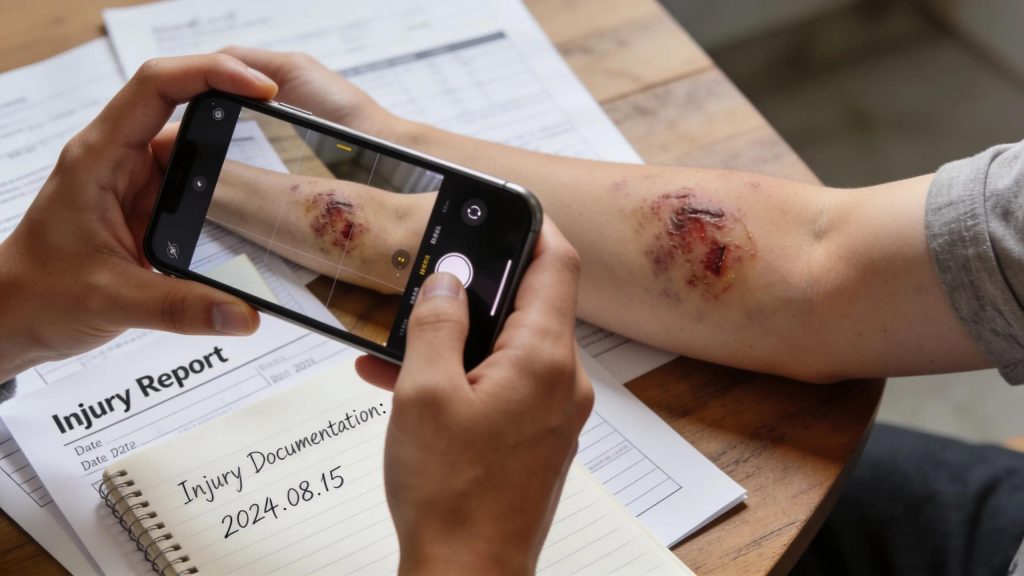
It’s vital to document your injuries comprehensively. This can include collecting medical records, photographs of injuries, and notes on how the injuries affect your daily life. Detailed documentation is beneficial not only for your healing process but also serves as crucial evidence in establishing the legitimacy of your claim. By maintaining a thorough record, you can ensure that no details are overlooked when presenting your case.
Consult a Personal Injury Attorney
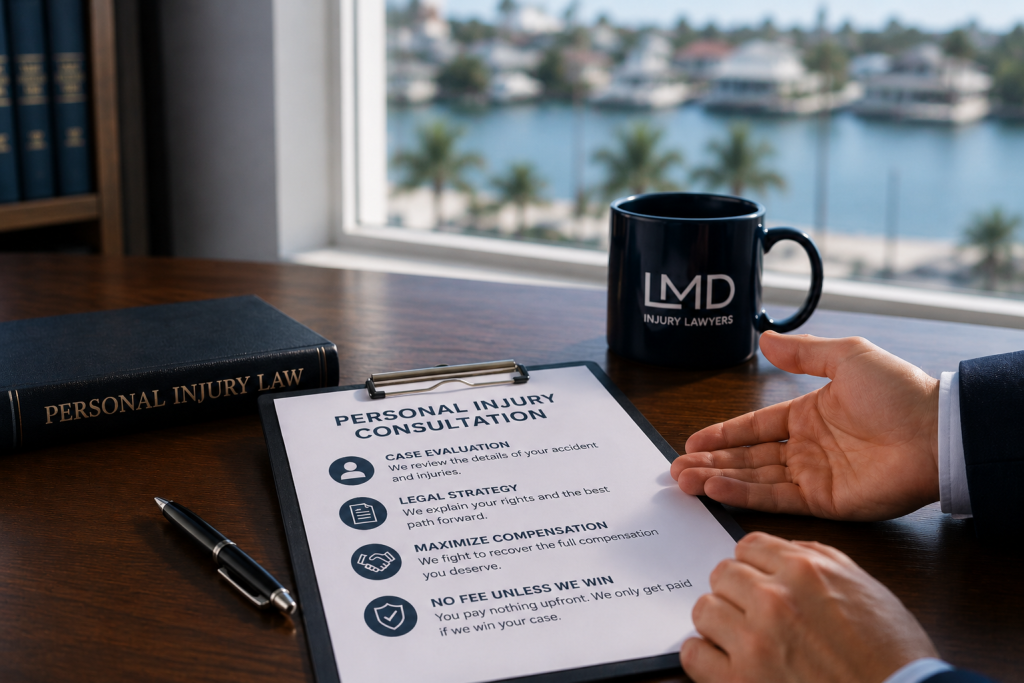
Engaging with a personal injury attorney early in the process can significantly affect the outcome of your claim. An experienced attorney can provide legal guidance, help you understand your rights, and identify potential pitfalls. They can ensure all deadlines are met and that your case is presented effectively, maximizing your potential compensation.
Gather Evidence
Building a robust case requires careful evidence collection. This includes accident reports, witness statements, and photos of the accident scene, all of which are integral to establishing liability. The collection and organization of this evidence are crucial for supporting your claim and ensuring your legal arguments are well-founded.
Build a Legal Strategy
An effective legal strategy is essential for navigating the complexities of your claim. This involves establishing negligence, calculating potential claim value, and preparing for negotiations with insurance companies. A solid strategy will help ensure that you are adequately prepared and able to advocate for your rights throughout the process.
File the Insurance Claim
Once you have gathered all necessary evidence and established a legal strategy, the next step is to file your insurance claim. This process typically involves submitting the required documentation to your insurance company and adhering to their specific procedures. It’s crucial to ensure all information is accurate and complete to avoid delays in the processing of your claim.
Negotiate for Compensation
Negotiating with the insurance company for compensation can often be one of the most challenging aspects of the claim process. Understanding how to counter low offers and recognize fair compensation is essential. Legal representation is beneficial during this stage, as attorneys are skilled negotiators who can advocate on your behalf and help you achieve a satisfactory settlement.
Consider Litigation if Necessary
If negotiations are unsuccessful, it may be time to consider litigation. Understanding when to file a lawsuit and preparing effectively for court proceedings can influence the outcome of your claim significantly. Consulting with your attorney about the litigation process ensures you are ready to take this step if needed.
Importance of Expert Legal Representation
Expert legal representation can dramatically impact the outcome of personal injury claims in Florida. Having an experienced attorney can help preserve important evidence, navigate complex legal systems, and ensure that your rights are fully protected. An attorney will not only help in filing paperwork correctly but will also work to maximize your compensation throughout the process. Engaging a professional means that your claim will be backed by a deep understanding of the law, informed strategies, and knowledge of prevalent settlement trends.
What Are the Initial Steps to Filing a Florida Personal Injury Claim?
The initial steps to filing a personal injury claim in Florida include:
- Seek Medical Attention: Prioritize your safety and health.
- Document Your Injuries: Keep thorough records of your medical treatment and injury effects.
- Consult an Attorney: Engage legal expertise to understand your options.
These preliminary steps are vital for establishing a strong case and setting the foundations for a successful claim.
How Do You Identify and Document Injury Details for Your Claim?
Identifying and documenting injury details ultimately requires attention to both immediate symptoms and ongoing effects. This can include:
- Medical Records: Collect all relevant documents from healthcare providers.
- Photography: Take clear pictures of visible injuries and the accident scene.
- Personal Notes: Maintain a daily log of experiences related to the injury impact on your life.
A thorough approach to documenting these details will create a stronger claim by presenting undeniable proof of your experiences.
Why Is Scheduling a Consultation with a Wesley Chapel Injury Attorney Crucial?
Scheduling a consultation with a Wesley Chapel injury attorney is essential for several reasons:
- Understanding Your Legal Rights: A consultation provides clarity on what you can claim.
- Case Evaluation: Attorneys can assess the strength of your case based on the evidence you provide.
- Expert Guidance: You gain valuable insights into the legal process specific to Florida laws regarding personal injury claims.
Taking this crucial step can greatly enhance the chances of a favorable outcome in your claim.
What Are the Key Florida Laws and Deadlines Affecting Injury Claims?
Understanding key laws and deadlines is vital for navigating personal injury claims in Florida. These laws determine the rights of claimants and set strict timelines for filing lawsuits. Missing a deadline could result in the loss of your right to pursue compensation, which further underscores the importance of timely action and legal guidance. For further details on Florida’s legal landscape, understanding specific statutes is crucial.
What Is the Statute of Limitations for Filing Injury Claims in Florida?
The statute of limitations for filing personal injury claims in Florida is generally two years from the date of the accident. This means that if you fail to file your claim within this timeframe, you may be barred from receiving compensation. There are some exceptions to this rule, such as cases involving minors or cases where the injury was not immediately apparent. Navigating these deadlines can be complex, making legal counsel invaluable.
How Does Florida Negligence Law Influence Your Compensation Eligibility?
Florida operates under a comparative negligence framework, meaning that compensation can be affected by the degree of fault attributed to each party involved in the accident. If you are found partially at fault, your compensation may be reduced proportional to your level of responsibility for the incident. Understanding this law is crucial in strategizing your claim and negotiating your settlement effectively.
How Does the Florida Injury Claim Process Progress from Filing to Settlement?
From the moment you file your claim until a settlement is reached, several stages occur:
- Initial Claim Submission: All required paperwork is submitted to the relevant insurance companies.
- Investigation: The insurance company will investigate the details of the incident and your claim.
- Negotiation: This stage involves discussions between your attorney and the insurance adjuster to arrive at a suitable settlement.
- Settlement Agreement: If negotiations succeed, a settlement is reached to compensate you for your injuries.
Being informed about this process helps alleviate anxiety and ensures you are prepared for each stage.
What Are the Essential Phases in Managing Your Florida Injury Claim?
Managing your Florida injury claim effectively involves several essential phases:
- Initial Consultation: Discuss your case with an attorney for guidance.
- Evidence Gathering: Compile all necessary documentation supporting your claim.
- Negotiation: Work with your attorney to negotiate compensation with the insurance company.
- Litigation: If necessary, prepare for court proceedings to advocate for your rights.
Each of these phases contributes to building a comprehensive case aimed at achieving a favorable outcome.
How Can Lucas, Macyszyn and Dyer Injury Lawyers Maximize Your Settlement Outcome?
Lucas, Macyszyn and Dyer Injury Lawyers are committed to maximizing settlements for their clients through thorough legal representation. Their expertise ensures that evidence is meticulously gathered, and negotiations are pursued aggressively to achieve the best possible results. With a focus on client needs, they employ proven strategies and a client-centered approach to navigate personal injury claims effectively.
What Compensation Types Can Florida Injury Claimants Expect?
Florida injury claimants can expect various types of compensation, which may include:
- Economic Damages: These encompass quantifiable losses such as medical bills, lost wages, and property damage.
- Non-Economic Damages: This category addresses intangible losses like pain and suffering and emotional distress.
- Punitive Damages: In specific cases, punitive damages may be awarded to punish wrongful conduct.
Understanding these types of compensation helps claimants identify the full extent of their potential recovery.
What Damages Are Recoverable Under Florida Personal Injury Law?
Recoverable damages under Florida personal injury law include:
- Medical Expenses: All costs associated with medical treatment related to the injury.
- Lost Wages: Compensation for income lost due to the inability to work after an accident.
- Pain and Suffering: A subjective measure of damages that accounts for the physical and emotional pain caused by the injury.
Having clarity about these damages prepares claimants for negotiations and discussions about compensation.
How Do Injury Settlements Reflect Case Specifics and Local Precedents?
Injury settlements in Florida often reflect specifics unique to each case, including:
- Severity of Injuries: More severe injuries typically result in higher settlements.
- Local Legal Precedents: Past rulings influence what settlements may be deemed reasonable in similar cases.
- Evidence Quality: Well-documented evidence tends to lead to more favorable outcomes.
Understanding these factors can help claimants anticipate the potential value of their case based on individual circumstances and local legal trends.