


 (727) 849-5353
How to File a Personal Injury Claim in Florida: A Step-by-Step Guide for Spring Hill Residents
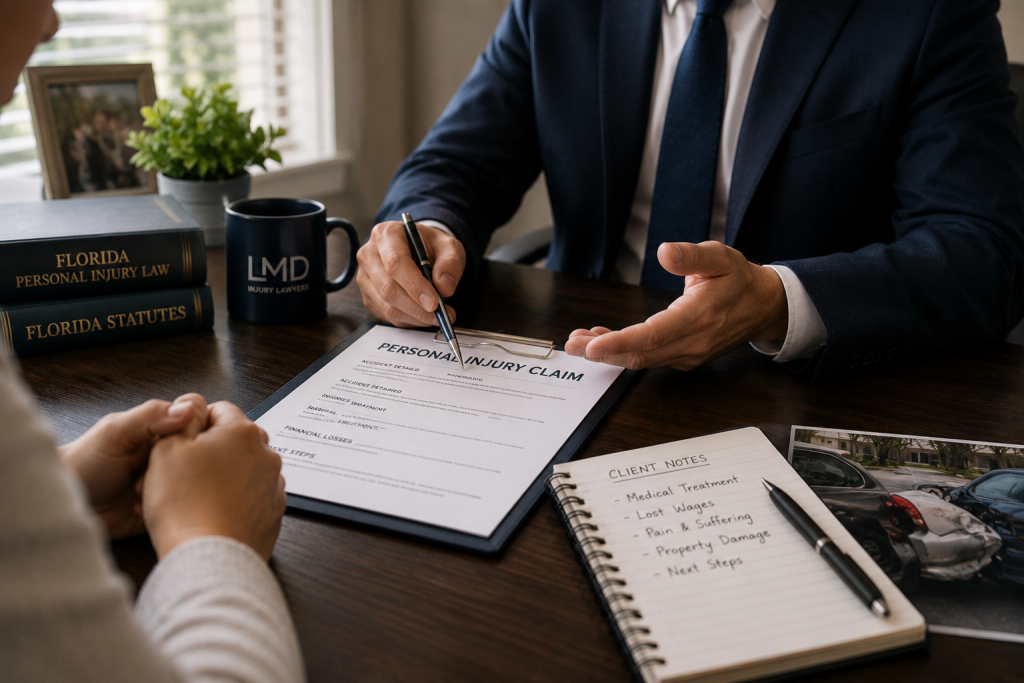
How to File a Personal Injury Claim in Florida: A Step-by-Step Guide for Spring Hill Residents
By Chris Dyer, Lucas, Macyszyn and Dyer, Injury Lawyers
Navigating the complexities of filing a personal injury claim in Florida can be daunting for many residents in Spring Hill. Understanding the step-by-step process is crucial to effectively securing the compensation you deserve. This guide is designed to educate you on how to file a personal injury claim, focusing on essential steps like seeking medical attention, gathering evidence, and consulting with an attorney. A clear grasp of this process can help alleviate the stress associated with personal injury claims and lead you toward a successful resolution. This article will cover the importance of each step, provide tips for maximizing your claim’s success, and explain Florida’s specific personal injury laws that apply to Spring Hill residents.
Step 1: Seek Medical Attention & Document Your Injuries
It is essential to seek immediate medical attention following an accident, as this not only ensures your health and safety but also creates an official record of your injuries, which is critical for your claim. By documenting your treatment, including doctor visits and prescribed medications, you establish a paper trail that supports your case. Furthermore, thorough documentation allows for a comprehensive understanding of your injuries, which can significantly influence the outcome of your claim.
Ensure that you keep copies of all medical records, bills, and any other relevant documents, as these will serve as proof during your claim process.
Step 2: Consult a Personal Injury Attorney
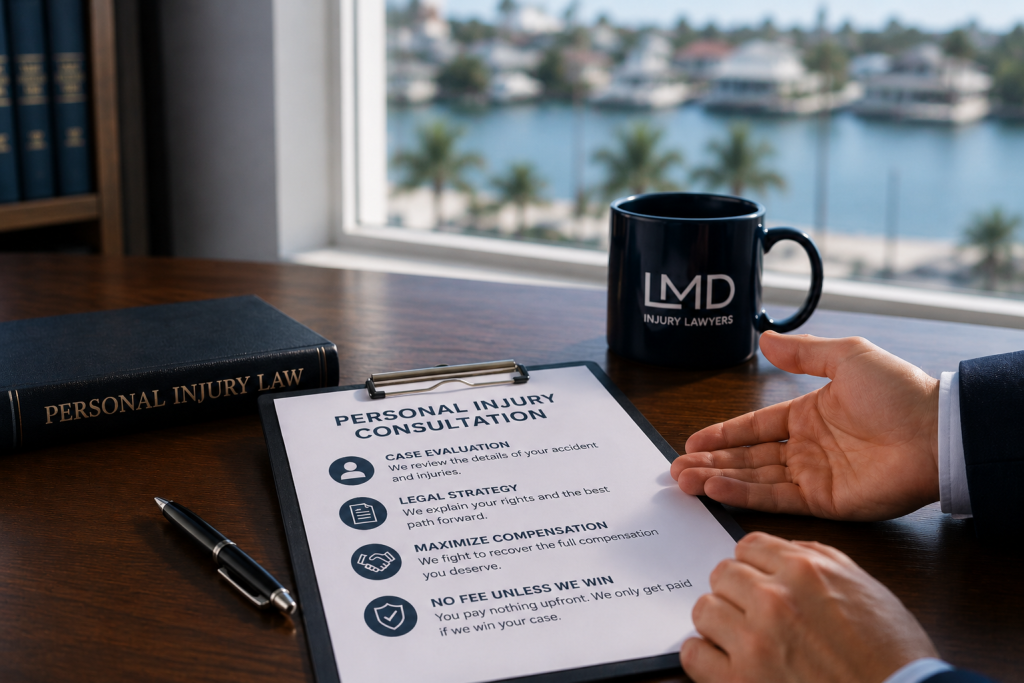
Consulting with a personal injury attorney early in the process can significantly enhance your chances of a successful claim. An attorney can provide a case evaluation, helping you understand the nuances of your situation and potential legal options. It is advisable to contact an attorney as soon as possible, preferably within the statute of limitations, to ensure you do not miss any important deadlines.
Many attorneys offer free consultations, making it easier for injured parties to access professional legal advice without financial pressure. Such guidance will help pave the way for a stronger case and informed decision-making throughout the claim process.
Step 3: Gather Evidence for Your Case

Collecting evidence is a vital step in building your case around the personal injury claim. Strong evidence supports your narrative of the incident, proving liability and the extent of your damages. Important types of evidence to gather include:
- Witness Statements: Eyewitness accounts can clarify the events that transpired, providing context that supports your claim.
- Accident Reports: Official reports filed by law enforcement can lend credibility to your case and outline the circumstances of the accident.
- Physical Evidence: Photographs from the scene, including damage to vehicles and injuries, can vividly illustrate the impact of the accident.
A comprehensive collection of evidence can bolster your position when negotiating with insurance companies or during potential litigation.
Step 4: Build a Legal Strategy
Assemble a legal strategy by working closely with your attorney to establish negligence and calculate the potential value of your claim. By determining who is at fault and analyzing the details surrounding the incident, you can outline your case’s strongest points.
Prepare for negotiations with insurance companies by organizing your evidence and formulating a clear narrative. A well-prepared legal strategy not only instills confidence but also significantly increases your chances of receiving fair compensation.
Step 5: File the Insurance Claim
Once you have gathered all necessary documentation and built a robust legal strategy, it is time to file your insurance claim. Submit all essential documents, including medical records, evidence of lost wages, and any other supporting materials. When presenting your claim, clearly articulate the demand for compensation based on the extent of your injuries and other damages.
This process may involve negotiations; be prepared to communicate with insurance adjusters and discuss your claim demands. Documentation at this stage is critical as it forms the basis of your claim.
Step 6: Resolution and Compensation
The resolution phase can take various forms, typically resulting in either settlement negotiations with the insurance company or possibly litigation if a fair settlement cannot be reached. Negotiation skills are essential in this phase, as you will need to advocate for the compensation you deserve.
Consider the possibility of litigation if the insurance company fails to offer a reasonable settlement. In this scenario, prepare to engage in formal legal proceedings, guided by your attorney who will represent your interests throughout the process.
Tips for Maximizing the Success of Your Claim
To enhance the potential for a successful claim, consider implementing the following tips:
- Act Quickly: Prompt action ensures you meet deadlines and protects critical evidence.
- Avoid Admitting Fault: Discussions at the accident scene should be cautious; avoid statements that could be interpreted as liability.
- Keep Comprehensive Records: Document every step of the process, from medical visits to conversations with insurance representatives.
Staying organized and proactive about your claim can dramatically improve your chances of achieving a favorable outcome.
What Are Florida Personal Injury Laws and How Do They Apply in Spring Hill?
Florida’s personal injury laws are crafted to guide residents through the claims process while ensuring protection for the rights of injured parties. Understanding these laws is essential for anyone considering a personal injury claim, as they govern how cases are handled, determining liability and resulting compensation.
Which Types of Injuries and Claims Are Covered Under Florida Law?
Florida personal injury laws encompass various types of claims, including:
- Car Accidents: Most common incidents resulting in personal injury claims.
- Slip and Fall Injuries: Claims stemming from neglect in maintaining safe premises.
- Wrongful Death Claims: Claims filed on behalf of those who have lost a loved one due to negligence.
Each of these claims has unique legal standards and requirements, making an understanding of your specific situation paramount.
Claim Process Overview:
The personal injury claim process in Florida typically follows specific stages:
- Immediate Medical Treatment: Ensuring health and documenting injuries.
- Consultation with an Attorney: Where legal strategy begins.
- Evidence Gathering: Establishing a solid foundation for your claim.
This structured progression helps streamline your claim, ensuring that all necessary steps are taken.
How Does Negligence Affect Personal Injury Claims in Spring Hill?
Negligence plays a crucial role in personal injury claims, as it determines the liability of the parties involved. In Florida, the concept of comparative negligence means that injured parties can recover damages even if they hold some responsibility for the incident.
Understanding Negligence
Negligence refers to the failure to exercise the level of care that a reasonably prudent person would in similar circumstances. When establishing negligence, you must demonstrate that the negligent party’s actions directly contributed to your injury.
Understanding how negligence affects your case can significantly impact the recovery of compensation; the more clearly you can show fault, the stronger your claim.
What Compensation Can You Expect from a Florida Personal Injury Claim?
When pursuing a personal injury claim in Florida, it is essential to understand the types of compensation you may be entitled to receive. Compensation can vary widely, depending on the specifics of each case.
Types of Damages
In Florida, claims can typically cover:
- Medical Expenses: Past and future medical bills linked to the injury.
- Lost Wages: Compensation for time off work due to injury.
- Pain and Suffering: Non-economic damages reflecting the emotional toll of the injury.
Understanding these categories can help you accurately assess your potential compensation.
Average Settlement Amounts
Settlement amounts can vary based on numerous factors, including:
- Severity of Injuries: More severe injuries typically lead to higher settlements.
- Medical Documentation: Comprehensive documentation can strengthen your case.
- Insurance Policy Limits: The maximum your claim can reach may be determined by the at-fault party’s coverage.
Awareness of potential settlement amounts gives you realistic expectations as you progress through your claim.
Factors Influencing Compensation
Several factors can influence the outcome of personal injury compensation, such as:
- Evidence Quality: Strong evidence can significantly increase your chances of receiving a favorable settlement.
- Time to File: Adhering to Florida’s statute of limitations is crucial; delays can jeopardize your claim.
- Legal Representation: Having an experienced attorney advocate for you can enhance the quality of your negotiations with insurance companies.
Understanding these factors allows you to navigate your claim effectively, improving your chances for a successful outcome.
What Are the Critical Deadlines and Legal Requirements for Filing Injury Claims in Spring Hill?
In Florida, strict deadlines impact the filing of personal injury claims, making awareness of these critical timelines essential for potential claimants.
What Is the Statute of Limitations for Filing Personal Injury Lawsuits in Florida?
The statute of limitations in Florida generally allows for a four-year period from the date of the accident to file a claim. Missing this deadline can severely negatively impact your ability to recover compensation, which underscores the importance of timely action.
Awareness of these deadlines ensures that you position yourself for the best possible chance of success.
What Evidence Is Essential to Prove Negligence and Strengthen Your Case?
For a successful personal injury claim, you must provide evidence that substantiates your claims of negligence. Essential evidence includes:
- Medical Records: Vital for documenting the extent of your injuries and treatment.
- Witness Testimonies: Relationships and accounts from individuals who observed the incident can provide context and support for your claims.
- Incident Reports: Accurate documentation from law enforcement helps establish the facts surrounding the incident.
Collecting and organizing this evidence early in the process can strengthen your case’s foundation and increase your chances of receiving full compensation for your injuries and losses.