


 (727) 849-5353
How to File a Personal Injury Claim in Florida: A Step-by-Step Guide for New Port Richey Residents
How to File a Personal Injury Claim in Florida: A Step-by-Step Guide for New Port Richey Residents with Expert Legal Support
By Chris Dyer, Lucas, Macyszyn and Dyer, Injury Lawyers
Filing a personal injury claim can feel daunting, especially for residents in New Port Richey, Florida, who may not be familiar with the legal framework surrounding such cases. This guide outlines the essential steps to take when filing a personal injury claim, emphasizing the importance of expert legal support throughout the process. Understanding the complexities of personal injury law and knowing the correct procedures can significantly affect the outcome of your claim. From seeking medical help to negotiating with insurance companies, each step is crucial. This article details the step-by-step process of filing a personal injury claim in Florida, discusses the significance of having legal representation, and outlines the types of claims residents may pursue.
Step-by-Step Guide for Filing a Personal Injury Claim in Florida for New Port Richey Residents
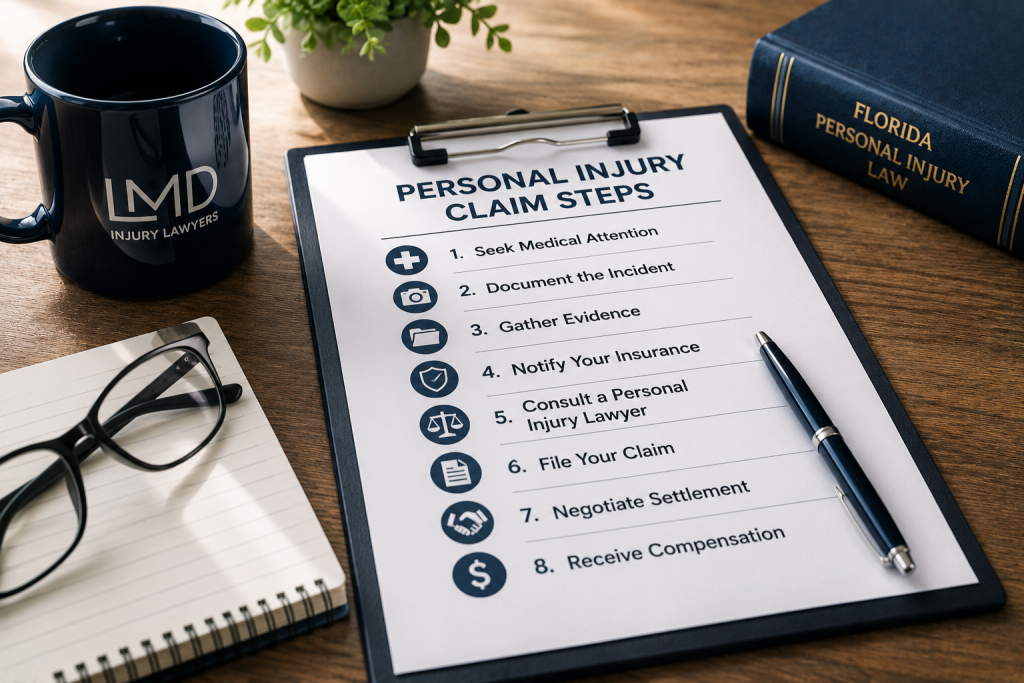
Filing a personal injury claim involves several critical steps to ensure that you meet the legal requirements and maximize your recovery. Understanding the following key actions can help streamline the process:
- Seek Medical Attention: The first and most crucial step is to seek medical treatment for any injuries sustained. This not only ensures your well-being but also provides essential documentation for your claim.
- Consult with a Personal Injury Attorney: Engaging with a lawyer who specializes in personal injury law can greatly enhance your chances of a successful claim. They help navigate the legal complexities and protect your rights.
- Investigation and Evidence Gathering: Your attorney will conduct a thorough investigation, gathering evidence such as police reports, medical records, and witness statements to support your case.
- Notify the At-Fault Party’s Insurance Company: It is essential to inform the insurance company of the at-fault party about the incident promptly, as this initiates the claims process.
- Filing an Insurance Claim: With the assistance of your attorney, you’ll file a claim with the insurance company detailing the circumstances of the accident and the extent of your injuries.
- Negotiations: Expect the insurance company to propose a settlement. Your attorney will negotiate on your behalf to ensure you receive a fair compensation package.
- Settlement or Filing a Lawsuit: If negotiations fail, you may need to pursue legal action by filing a lawsuit against the at-fault party to seek compensation.
- Discovery: During this phase, both parties exchange evidence and information to prepare for trial.
- Trial or Mediation: If no settlement is reached, your case will go to trial, or mediation may be pursued as an alternative resolution method.
- Final Steps: After the trial or mediation, you will follow through with any court orders or settlement agreements to finalize your claim.
Significance of Expert Legal Support

Hiring a personal injury attorney offers several advantages in the claims process. An experienced lawyer can protect your rights, especially during negotiations with insurance companies that might aim to minimize your compensation. Legal representation ensures thorough investigation and evidence gathering, critical for substantiating your claims. Moreover, an attorney can provide strategic insights, maximizing your settlement based on their understanding of local laws and precedent cases. Ultimately, legal support reduces the stress of navigating complex legal systems, allowing you to focus on your recovery.
What Defines a Personal Injury Claim in Florida and Who Can File?
A personal injury claim in Florida arises when an individual sustains injuries due to someone else’s negligence or intentional wrongdoing. Such claims can include a variety of incidents, such as car accidents, slip and falls, and medical malpractice. Anyone who has experienced injury as a direct result of another party’s actions may file a claim to seek compensation for medical expenses, lost wages, and pain and suffering. Understanding Florida’s laws regarding negligence is essential for determining eligibility to file a claim. This is where understanding negligence becomes crucial.
Types of Personal Injury Claims
In Florida, residents may pursue several types of personal injury claims, including:
- Negligence Claims: The most common, involving cases where another party failed to exercise reasonable care.
- Medical Malpractice: Claims stemming from healthcare providers failing to adhere to accepted standards of care.
- Premises Liability: Covering accidents that occur on someone else’s property due to unsafe conditions.
Understanding Medical Malpractice and Personal Injury Compensation in Florida
ABSTRACT: ExtractPolicy debates over medical malpractice in the United States involve a complex amalgam of legal doctrine, public demands to address the problem of medical errors, and the interests of various stakeholder groups. Most parties can agree, however, that the current system for compensating medical injury performs poorly. It falls short of achieving its two main goals: compensation and deterrence. The current system of tort liability is “neither sensitive nor specific in its distribution of compensation:” the vast majority of patients injured by negligent medical care do not receive compensation, yet the system compensates some cases that do not appear to involve negligence. Sometimes, it awards more in noneconomic damages than seems reasonable to many observers. Ultimately, tort liability appears to do little to improve health care quality and safety, yet it spurs costly defensive medicine. Physicians and health care organizations face burdensome insurance and legal costs, leading so
Adjudicating severe birth injury claims in Florida and Virginia: the experience of a landmark experiment in personal injury compensation, G Siegal, 2008
Filing Requirements
To file a personal injury claim in Florida, certain requirements must be met:
- Statute of Limitations: Claims must be filed within a specific time frame, typically four years from the date of the injury. (Note: For medical malpractice claims, the statute of limitations is two years.)
- Necessary Documentation: Individuals must gather and present evidence, including medical records and accident reports.
- Consultation with an Attorney: Engaging with a personal injury attorney is not just beneficial; it is often necessary to ensure all legal avenues are explored.
Steps to File a Personal Injury Claim in New Port Richey
Residents of New Port Richey should follow these tailored steps to file their personal injury claims:
- Collect Medical Evidence: Obtain medical records to document your injuries.
- Gather Witness Statements: Collect accounts from any witnesses present during the accident.
- Document Communication with Insurers: Keep records of all communications with insurance companies.
By following these localized steps, you can prepare a strong case for your personal injury claim. Understanding your rights after an accident is paramount.
What Is Negligence and How Does It Affect Your Injury Claim?
Negligence is a legal term that refers to the failure to exercise appropriate care, resulting in harm to another person. Understanding the components of negligence is essential for successfully filing a personal injury claim in Florida. This involves analyzing several key elements:
Duty of Care
Every individual has a legal obligation to act in a manner that does not cause harm to others. For example, drivers must adhere to traffic laws to protect pedestrians and other vehicles. This duty of care is fundamental to personal injury law.
Breach of Duty
Breach of duty occurs when an individual fails to meet the standard of care expected in a given situation. This could involve reckless driving or failing to maintain safe premises. Proving a breach of duty is a critical part of any successful claim.
Causation
For a negligence claim to be valid, it must be proven that the breach of duty directly caused the injury. Establishing a clear link between the negligent action and the injury sustained is crucial for claim approval. This principle ensures accountability for damages.
Damages
Damages refer to the monetary compensation awarded to the injured party for their losses. These can include medical bills, lost wages, and emotional distress. Recoverable damages are determined by the severity and nature of the harm suffered.
Which Types of Injuries Qualify for Compensation in New Port Richey?
In New Port Richey, various types of injuries may qualify for compensation, including:
- Physical Injuries: Such as fractures, lacerations, or soft tissue injuries that result from accidents.
- Psychological Injuries: These include conditions like PTSD, which may arise following traumatic incidents.
- Long-Term Health Issues: Chronic pain or disability resulting from injuries can also form the basis for a claim.
When Should You Consult a New Port Richey Personal Injury Lawyer?
It is advisable to consult with a personal injury attorney as soon as possible after an accident. Early legal guidance can help steer you clear of common pitfalls in the claims process. An attorney can assess the viability of your case, help gather necessary documentation, and ensure all deadlines are met. Engaging with legal experts early maximizes your chances of obtaining fair compensation. For specific advice tailored to your situation, consider exploring New Port Richey personal injury lawyers.
What Legal Timelines and Statutes of Limitations Govern Injury Claims in Florida?
Florida law stipulates specific timelines for filing personal injury claims, generally set at four years from the date of the injury. Understanding these timelines is crucial, as failing to file within the statute of limitations can result in losing your right to seek compensation. In some cases, exceptions may apply, allowing for extended timelines, so legal counsel should review each situation carefully. Navigating these legal timelines is critical for a successful claim.
What Are the Risks of Missing Filing Deadlines for Injury Claims?
Missing filing deadlines can have dire consequences for personal injury claims. The most significant risk is the complete barring of the claim, meaning the injured party loses their right to seek compensation. It’s essential for victims to remain vigilant and adhere to all timeline requirements to protect their claims.
What Damages Can You Claim and How Can a New Port Richey Lawyer Maximize Your Compensation?
There are several categories of damages that individuals can pursue in a personal injury case:
| Type of Damage | Description | Potential Amount |
|---|---|---|
| Economic Damages | Cover medical bills, lost wages, and property damage | Varies case-by-case |
| Non-Economic Damages | Compensate for pain and suffering, emotional distress | Generally larger amounts |
| Punitive Damages | Awarded to punish egregious conduct | Rare, but can be significant |
Maximizing compensation often involves presenting substantial evidence and demonstrating the impact of injuries on daily life. Having an adept New Port Richey attorney helps navigate these complexities, ensuring all potential damages are accounted for in the claim.
Which Types of Compensation Are Recoverable Under Florida Law?
Under Florida law, a variety of compensations are recoverable, encompassing both economic and non-economic damages. Economic damages include measurable expenses like medical bills and lost wages, whereas non-economic compensations might address pain, suffering, and diminished quality of life. Understanding the range of available compensations, alongside the legal definitions of these categories, can prepare claimants for negotiations with insurance providers. Legal guidance on recoverable compensation under Florida law is essential.
Florida’s No-Fault Law: Personal Injury Protection and Its Evolution
ABSTRACT: AbstractFlorida is one of 12 states that have a no-fault law. The first party benefit coverage is known as personal injury protection (PIP). Every policy sold in the state must include at least $10,000 in personal injury protection. This law went into effect in 1971 and is now being challenged. Changes in consumer, lawyer, and doctor behavior as well as changes in the legal and economic environment have diminished the positive impact of the no-fault law. This thesis will focus on the diminished effectiveness of the no-fault law in Florida. It will be based on research from primary sources. Other legal resources including law review articles and journal publications were consulted for persuasive scholarly views. Published work from insurance institutes and journals were included since they guide practitioners on the application of the law. Insurers, insureds and policymakers face serious challenges regarding Florida Motor Vehicle No-Fault Law. The purpose of this thesis is (1) toA New Crash Test: The Rise and Fall of Florida Motor Vehicle No-Fault Law, 2014
How Does Legal Representation Enhance Settlement Outcomes?
When pursuing personal injury claims, having legal representation significantly affects settlement outcomes. Attorneys understand how to effectively negotiate with insurance companies and build compelling cases that resonate during settlement discussions. Representation can lead to additional compensation by ensuring all injuries and damages are thoroughly accounted for, and mitigating any tactics used by insurers to reduce payouts. Thus, retaining a personal injury attorney can be an invaluable asset in the claim process.