


 (727) 849-5353
How to File a Personal Injury Claim in Florida: A Step-by-Step Guide for Inverness Residents
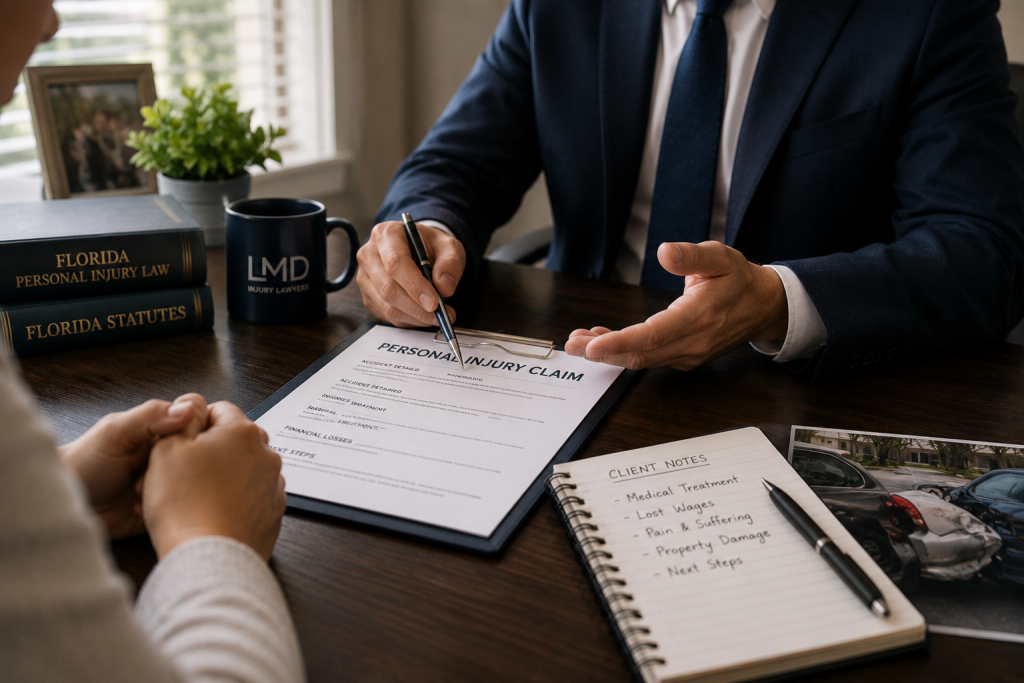
How to File a Personal Injury Claim in Florida: A Step-by-Step Guide for Inverness Residents
By Chris Dyer, Lucas, Macyszyn and Dyer, Injury Lawyers
Filing a personal injury claim can be a daunting process, especially for residents of Inverness, Florida. Understanding the legal landscape, including necessary documentation and timelines, is key to navigating this journey successfully. This guide will walk you through the essential steps required to file a personal injury claim effectively from seeking medical attention to engaging with a personal injury attorney. Many individuals find themselves overwhelmed after an incident, unsure of how to proceed with their claim. This comprehensive approach aims to empower you with the knowledge necessary to tackle this process confidently. We will cover vital steps such as documenting evidence, reporting incidents, and understanding insurance claims, ensuring you are well-prepared to seek justice and compensation for your injuries.
Step 1: Seek Medical Attention
Immediately seeking medical care after an injury is crucial for both health and legal reasons. Medical attention not only ensures proper treatment but also creates a record of your injuries, which is vital for any potential claim later on. Immediate care helps establish a clear link between the accident and your injuries, which can be instrumental in proving negligence. Moreover, medical professionals document all care received, providing evidence that may be required by insurance companies later. Maintaining thorough treatment records serves as a solid foundation for your personal injury claim, highlighting the importance of addressing your health needs first.
Step 2: Report the Incident
Reporting the incident to the necessary authorities is another critical step in the claims process. Whether the injury occurred in a public place, on private property, or as a result of a vehicle accident, notifying the relevant local authorities helps establish an official record. This documentation should include the date, time, and circumstances surrounding the incident, which will support your case later. Additionally, capturing the scene with photographs can reinforce your account of what happened. By following the correct reporting protocol, you create a pivotal piece of evidence that substantiates your claim when approaching insurance companies.
Step 3: Consult a Personal Injury Attorney
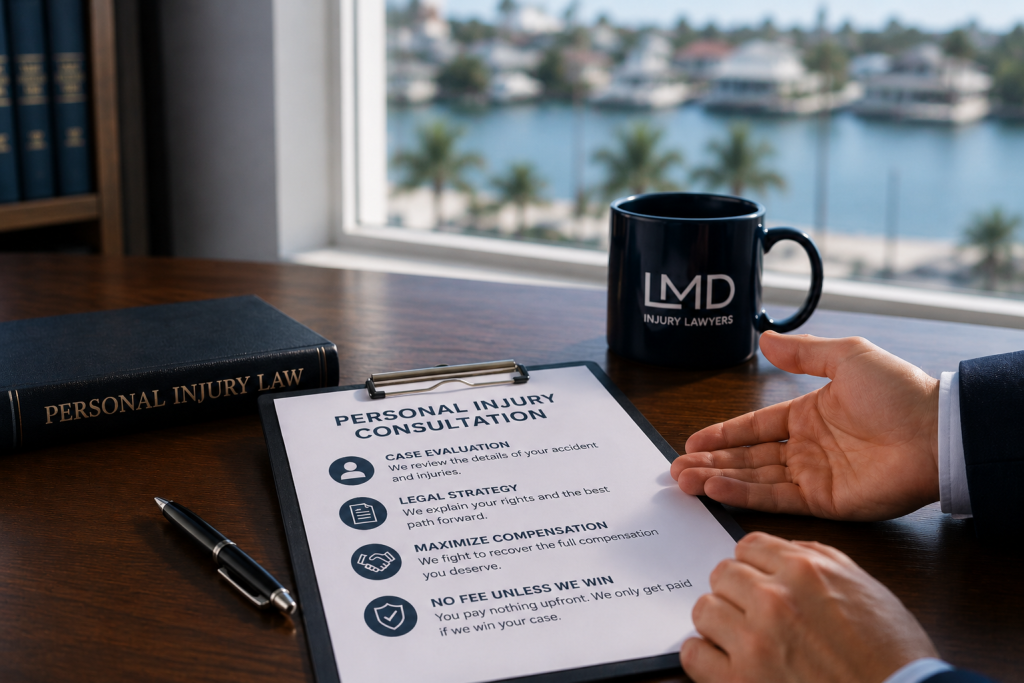
Engaging with a personal injury attorney is an essential step in the claims process. Legal representation can help clarify the complexities of personal injury law and guide you in making informed decisions about your case. Attorneys are well-versed in the intricacies of claims and can help you avoid pitfalls, such as discussing case details with insurers before consulting legal advice. A skilled attorney will help you understand your rights and responsibilities, complementing your efforts to seek compensation. If you’re in Inverness, reaching out to a local attorney with experience in personal injury law can significantly enhance your claim’s chances of success.
Step 4: Gather Evidence
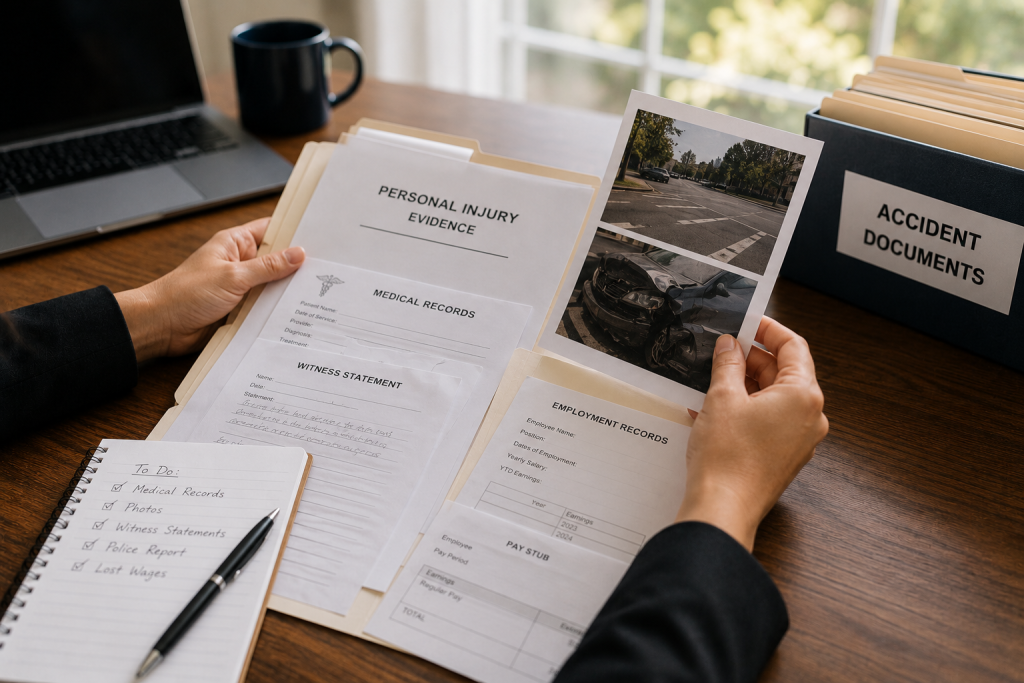
Collecting comprehensive evidence is crucial to strengthening your personal injury claim. Essential items to gather include medical records detailing your treatment, witness statements that provide additional perspectives on the incident, and photographs of the scene that capture critical details. Further, retaining documentation of any employment records indicating lost wages due to the injury can bolster your case. The more thorough your evidence collection, the more robust your claim will appear to both insurers and legal proceedings. Taking the time to strategically compile and organize evidence ensures you present the best possible case for compensation.
Step 5: Build a Legal Strategy
Developing a legal strategy involves working closely with your attorney to determine the best approach for your claim. This strategy is built upon the evidence gathered and the specific details surrounding your case. Establishing negligence, assessing damages, and understanding legal frameworks are all integral components of your legal strategy. Your attorney will advise on appropriate compensation amounts and deadlines, ensuring you remain compliant with legal requirements throughout the process. A thoughtful legal strategy will help you navigate negotiations and potential litigation more effectively, giving you the best chance at a favorable outcome.
Step 6: File the Insurance Claim
Filing an insurance claim is a formal process that requires submitting documentation of your injuries and the events leading to them. Your insurance company will require specific information, including medical records, incident reports, and evidence of any treatment received. It’s critical to ensure your claim is complete and accurate to avoid delays or denials. Once filed, insurers will review the claim and typically have a set set of required information, including medical records, incident reports, and evidence of any treatment received. It’s critical to ensure your claim is complete and accurate to avoid delays or denials. Once filed, insurers will review the claim and typically have a set timeframe for responding. Understanding how to effectively navigate this process is vital, as effective negotiation skills can significantly impact your settlement.
Step 7: Settlement or Litigation
After filing a claim, you may face two potential outcomes: settlement or litigation. Most personal injury cases are resolved through settlements, where parties agree on compensation without going to court. However, if negotiations are unsuccessful, pursuing litigation may be necessary to seek justice. Understanding the pros and cons of each route is essential. Many cases can settle before reaching trial, reducing time and uncertainty. Preparing for both possibilities with your attorney will ensure you know your rights and options throughout the claims process.
Key Considerations
Navigating a personal injury claim involves several key considerations worth keeping in mind:
- Documentation is Essential: Maintaining thorough records related to the incident, including medical treatments and witness accounts, can greatly enhance your case.
- Comparative Negligence: Florida follows a comparative negligence rule, which means your compensation could be reduced based on your degree of fault in the incident.
- Statute of Limitations: It is crucial to be aware of the time limits for filing claims in Florida, as missing deadlines can bar you from recovery.
Following these guidelines will help you address critical aspects of your claim effectively.
In seeking professional assistance, residents of Inverness can turn to Lucas, Macyszyn and Dyer Injury Lawyers for expert legal advice and representation. Effectively navigating the complexities of personal injury claims can significantly impact the outcome of your case, ensuring you receive the compensation you deserve.
What Are the Key Steps in the Florida Personal Injury Lawsuit Process?
Understanding the lawsuit process in Florida helps you prepare for the challenges ahead. The primary steps typically involve:
- Filing a Complaint: This initiates the lawsuit and outlines the claims against the defendant.
- Discovery Phase: During this phase, both parties exchange information and evidence related to the case.
- Mediation and Settlement Discussions: Many lawsuits are resolved through negotiations before trial, saving time and resources.
Recognizing the procedural elements of a lawsuit can better equip you to approach your case with confidence.
How Do You Initiate a Personal Injury Claim in Florida?
Initiating a personal injury claim in Florida requires several crucial steps:
- Seek Medical Attention: Prioritize getting treated for any injuries sustained.
- Document Everything: Collect all relevant details and evidence related to the incident.
- Consult with a Personal Injury Attorney: Legal advice can provide clarity on how to move forward effectively.
By following these steps diligently, you’ll set a solid foundation for your personal injury claim process.
What Is the Role of Evidence Gathering During Consultation?
Evidence gathering during initial consultations is essential for a successful personal injury claim. Your attorney will need your medical records, photos of the scene, and witness information to help build a strong case. All collected evidence is crucial in presenting a compelling argument for compensation. The strength of your evidence can influence settlement negotiations and litigation outcomes.
What Is the Statute of Limitations for Filing Injury Claims in Florida?
In Florida, the statute of limitations for personal injury claims generally spans four years from the date of the injury. There are special rules for minors or situations involving concealed evidence that may extend this period. Initiating your claim promptly can significantly influence the outcome and potential compensation.
How Does the Florida Statute of Limitations Affect Your Claim Timeline?
The statute of limitations directly impacts your claim’s progression. Depending on the nature of your injuries, the timeline for gathering evidence and filing your claim may vary. Allocate sufficient time for gathering all necessary documentation. Understanding the actions needed upfront can mitigate delays when nearing deadlines.
What Exceptions Exist to the Standard Statute Periods?
Circumstances that can alter the standard four-year statute of limitations include specific rules for minors, cases where evidence was concealed, and unique regulations for nursing home negligence claims, ensuring victims can file within appropriate timeframes. Familiarizing yourself with these exceptions enables you to take timely legal action.
How to Choose and Hire a Personal Injury Attorney in Inverness, Florida?
Selecting the right personal injury attorney involves careful consideration. Look for local attorneys with a strong track record in personal injury cases. Assess their past successes and familiarity with cases similar to yours. Meeting with potential attorneys can help you gauge compatibility and expertise.
When Is It Crucial to Secure Legal Representation for Your Claim?
Certain situations dictate the necessity of obtaining legal representation. When a claim involves severe injuries or contentious liability issues, professional support becomes vital. If the insurance company challenges your claim, an attorney can be indispensable in negotiating fair compensation. Assessing the worth of your claim can be complicated; legal guidance can provide clarity.
What Is the Typical Claim Settlement Timeline and Compensation in Florida?
Settlement timelines for personal injury claims in Florida vary based on complexity and severity. The nature of the injury and the liability issues play vital roles in determining how quickly claims settle. Victims may receive economic damages for medical bills, lost wages, and non-economic damages for pain and suffering. Understanding typical compensation structures helps set realistic expectations for the outcome of your case.
How Long Do Personal Injury Settlements Usually Take in Florida?
Settlements can take varying durations depending on several elements. Less complicated cases may resolve in a few months, while complex cases involving litigation can stretch to over a year. On average, expect settlements to range between 6 months to 2 years based on the specifics of the case. Delays may arise from insufficient evidence, contested liability, or lengthy negotiations.
What Types of Compensation Are Commonly Awarded?
Several types of compensation often awarded in personal injury cases include economic damages for tangible losses like medical expenses and lost income, non-economic damages for pain and suffering, and potential punitive damages in instances of severe negligence. By recognizing the types of compensation available, you can discuss them with your attorney strategically.
Understanding how to effectively navigate a personal injury claim in Florida, particularly for residents of Inverness, provides clarity and confidence throughout the process. Each step—from seeking medical attention to gathering evidence and seeking legal representation—plays a significant role in achieving a favorable outcome. For guidance and support, reach out to Lucas, Macyszyn and Dyer Injury Lawyers, who are equipped to assist you through these critical stages.